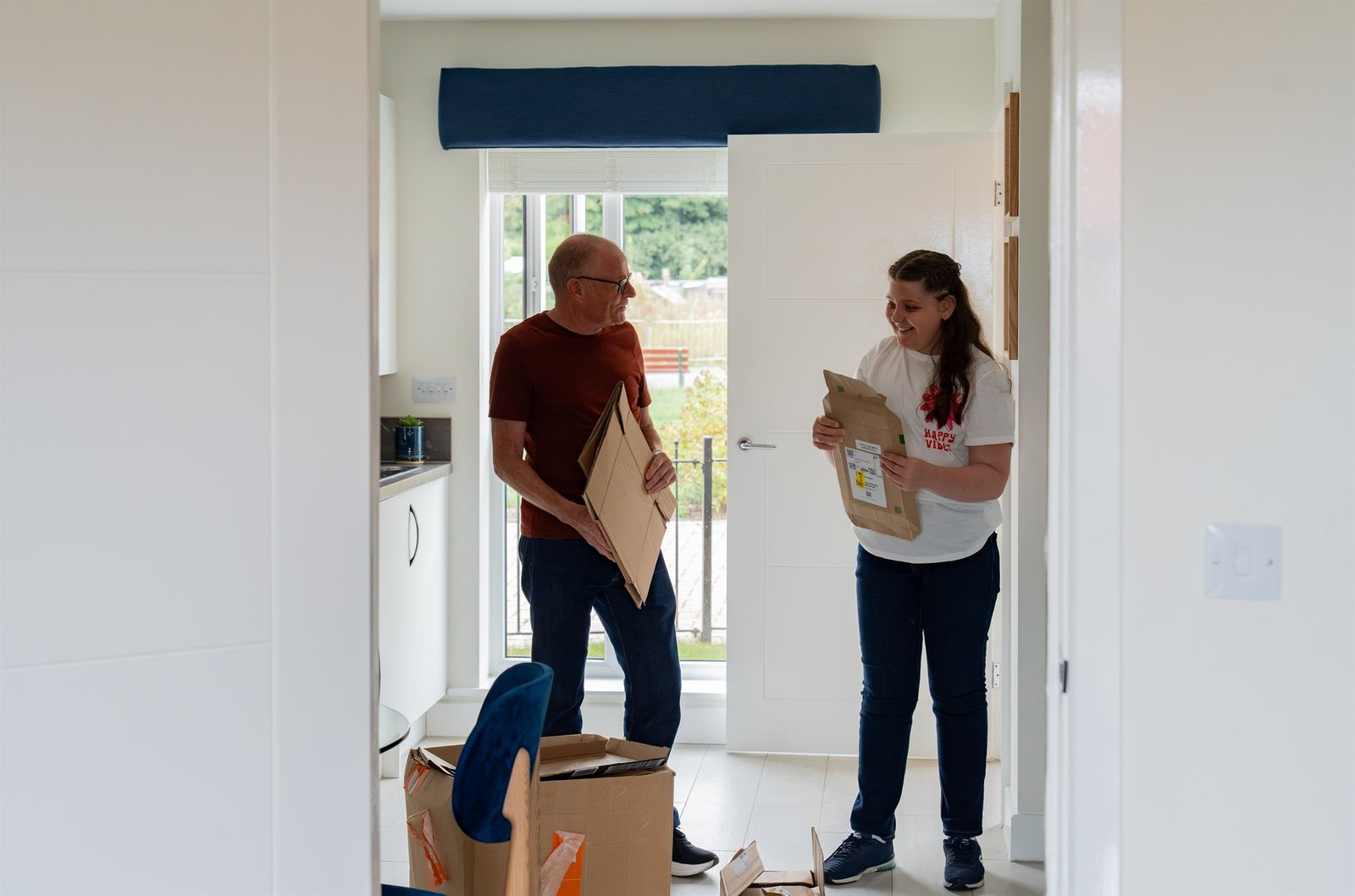
Finished with your cardboard boxes?
Keep them clean, dry, flattened and ready for recycling.
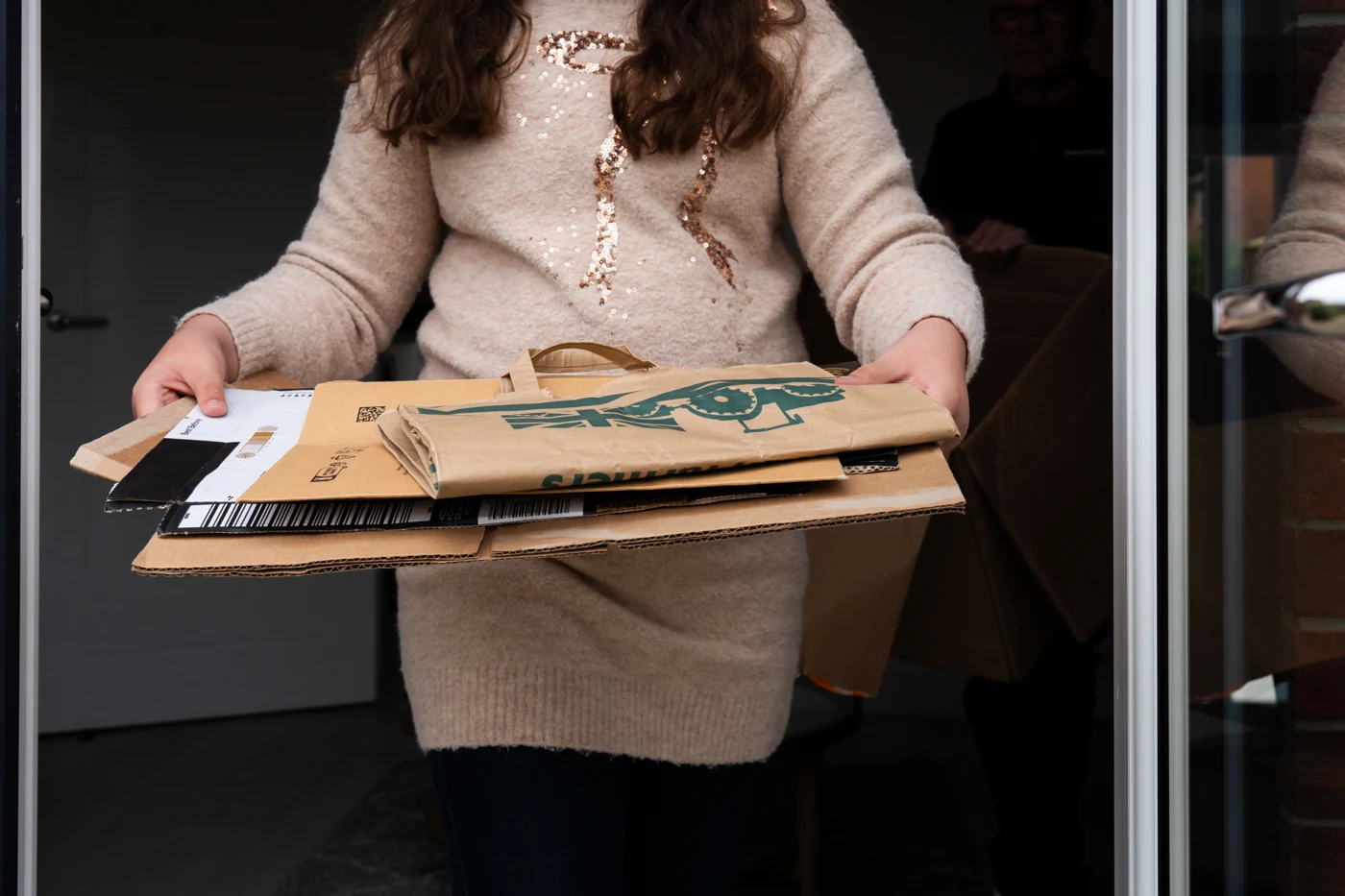

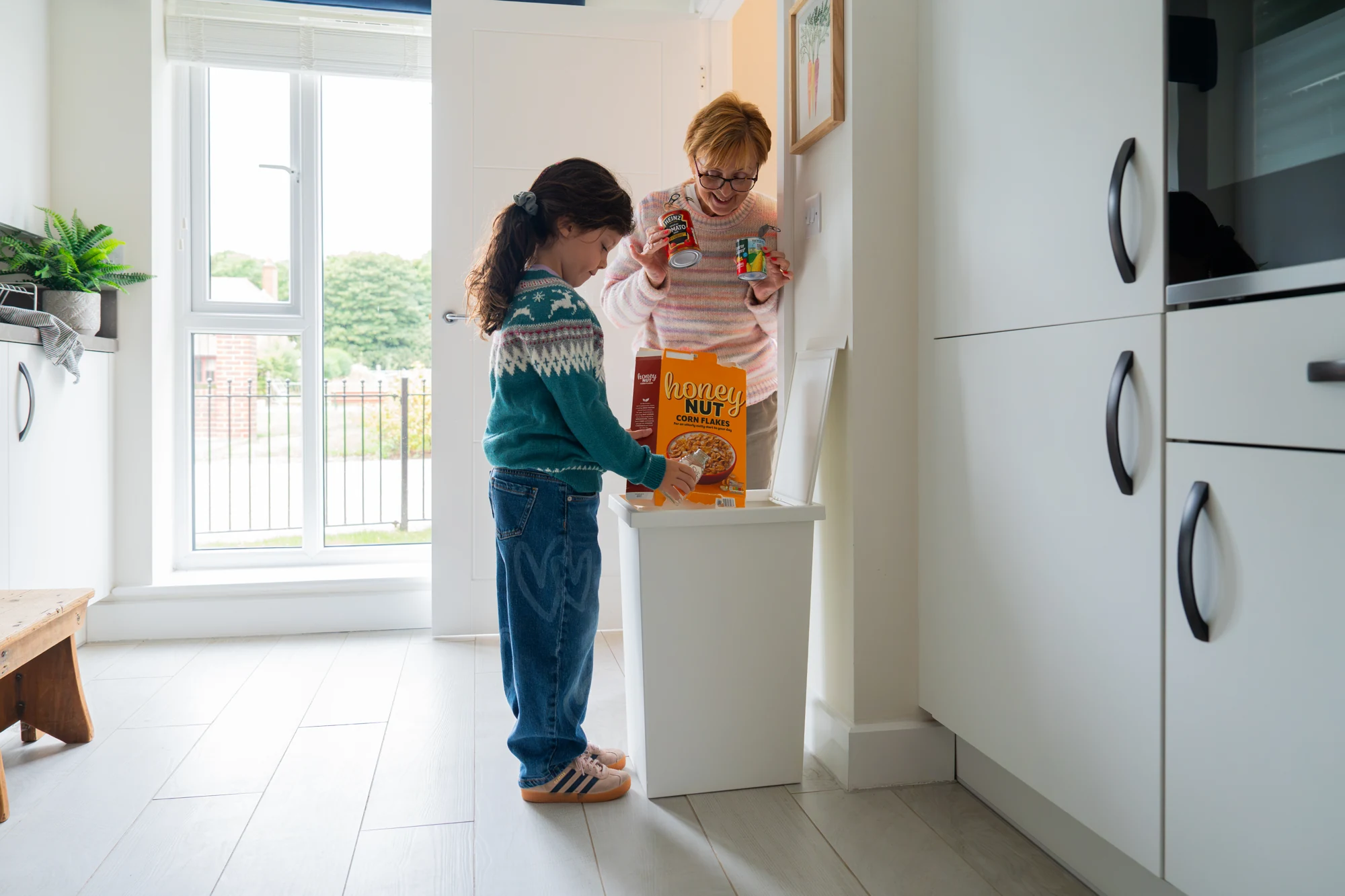
It’s the small everyday habits that make a big difference.
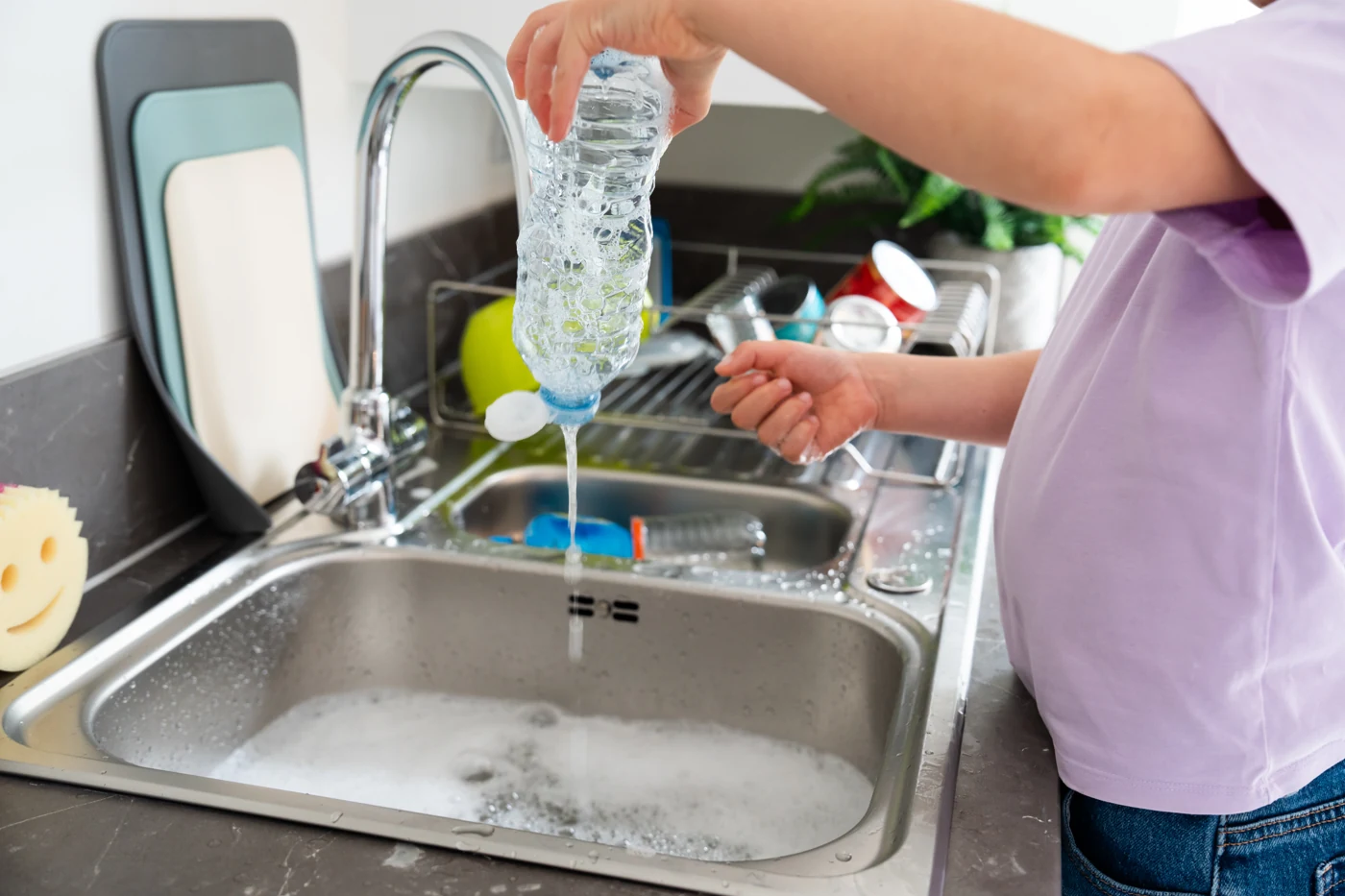
A quick rinse of an empty bottle, flattening your cardboard or making sure your aerosol cans are empty are all simple actions that can easily become part of your everyday routine.
Choose an item. Find your small action.
Keep them clean, dry, flattened and ready for recycling.
Give your empty plastic bottles a quick rinse and recycle.
Rinsing out tins and cans helps ensure more can be recycled properly.
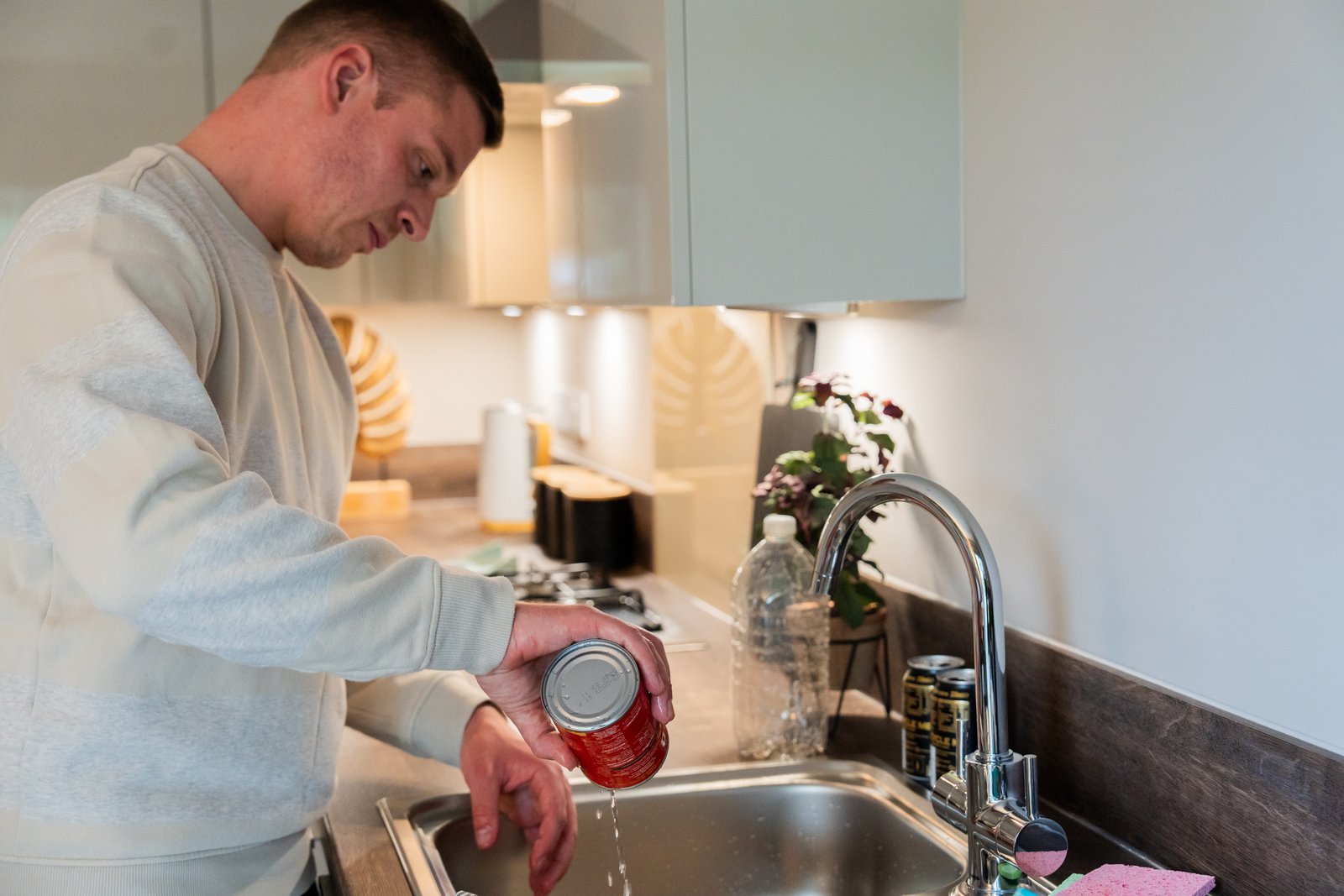
Empty it and then recycle it.
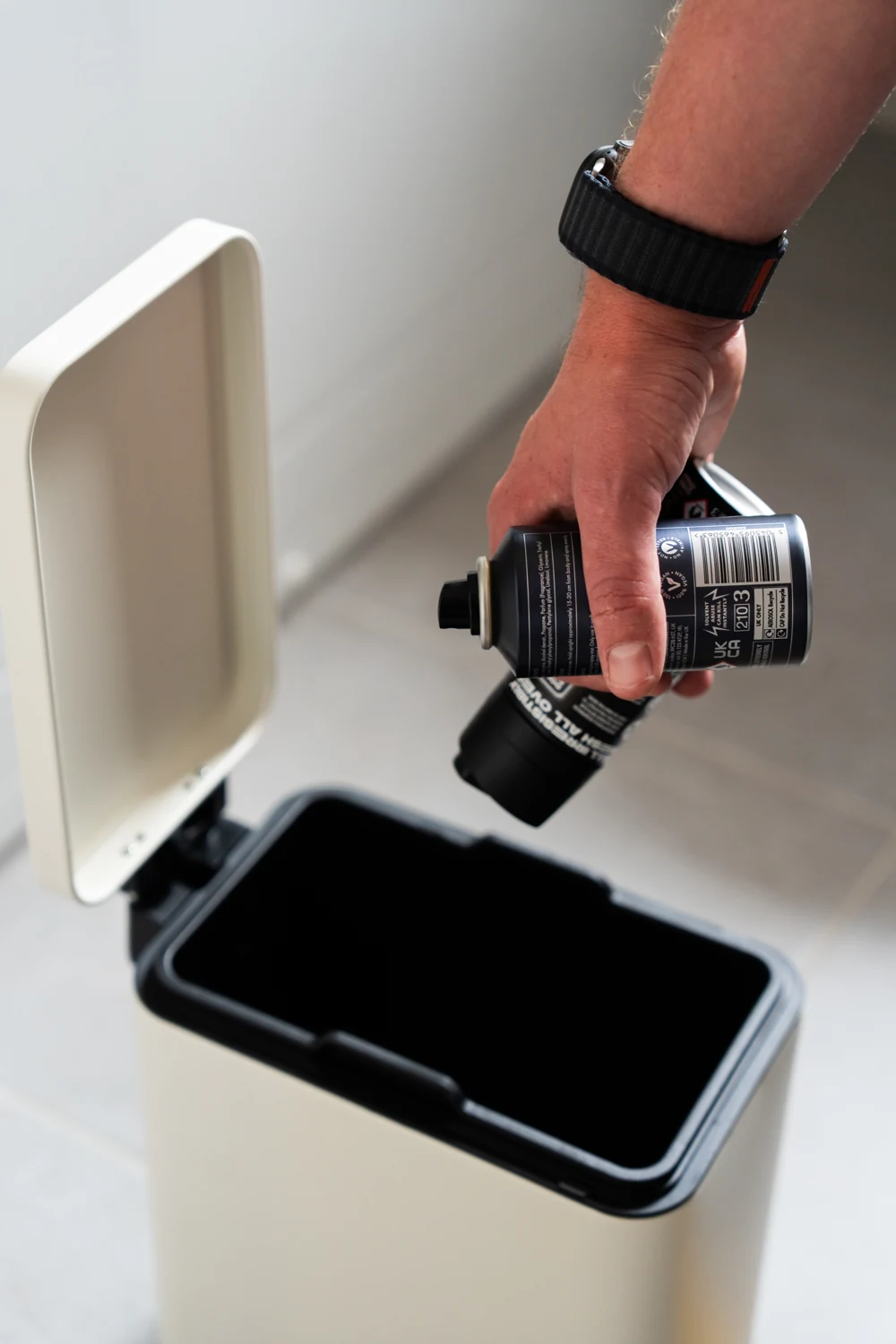
Keeping these items out of your recycling bin helps protect the materials that can be recycled and means more of your recycling has the best chance of being given a new life.
Things like food waste, greasy cardboard, plastic bags, nappies and other non-recyclable items can contaminate good-quality recycling, making it harder to sort and process. If you are not sure, take a quick look at the recycling checker before you pop it in the bin.
Before you pop something in your recycling bin, take a quick check.
Our recycling checker makes it easy to find out what can be recycled at home and where to put the things that cannot.